
Cassie posted on Facebook July 14, 2021:
Savannah. A gorgeous historic city. So much painful history and incredibly strong Black history.
Home to the first African-American church in Savannah that was founded by men who had been stolen from Africa. Has symbols used as part of the underground railroad and includes an escape tunnel for enslaved people seeking freedom.
Visited a mansion that was owned by a former politician from Savannah who enslaved many people and trafficked them all around the south.
I spent an hour alone in the Laurel Grove South cemetery, a 3 acre cemetery where many African-American Georgians are laid to rest whose names we will never know.
African American Monument
E Upper Factors Walk, Savannah, GA 31401

Dedicated in 2002, this powerful sculpture by artist Dorothy Spradley stands along the waterfront in the historic area of Savannah to serve as a reminder of the city’s history in the slave trade. The image of the contemporary African American family embracing while standing over a circle of broken chains is chilling. The inscription is as potent as the art itself:
“We were stolen, sold and bought together from the African continent. We got on the slave ships together. We lay back to belly in the holds of the slave ships in each other’s excrement and urine together, sometimes died together, and our lifeless bodies thrown overboard together. Today, we are standing up together, with faith and even some joy.” Maya Angelou
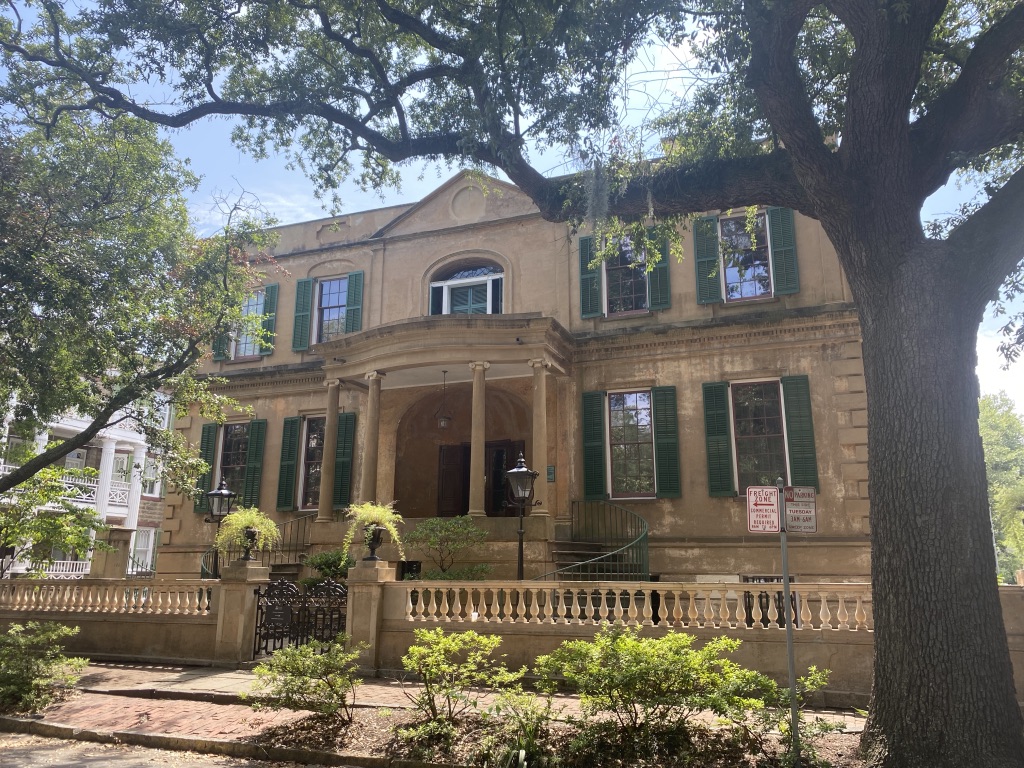
Owen Thomas Slave Quarters
124 Abercorn St, Savannah, GA 31401, (912) 790-8800
Hours: Daily 12-5, Adults :$22, College Students w/ ID: $15, Children (5-11): $5 Children under 5: Free
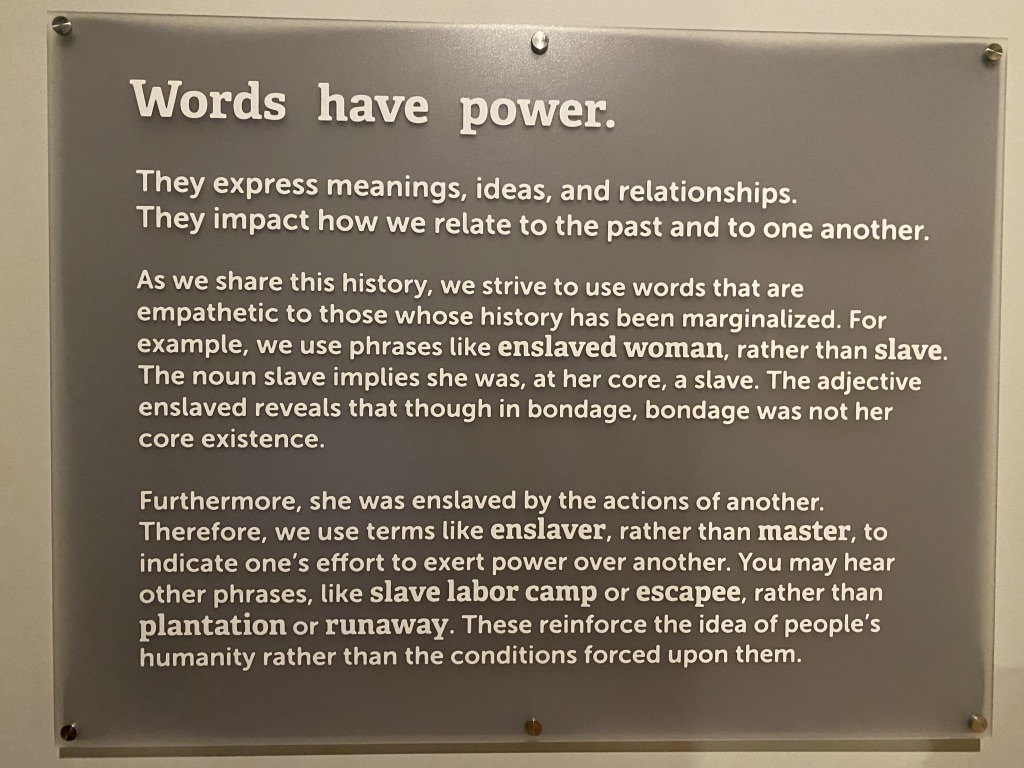
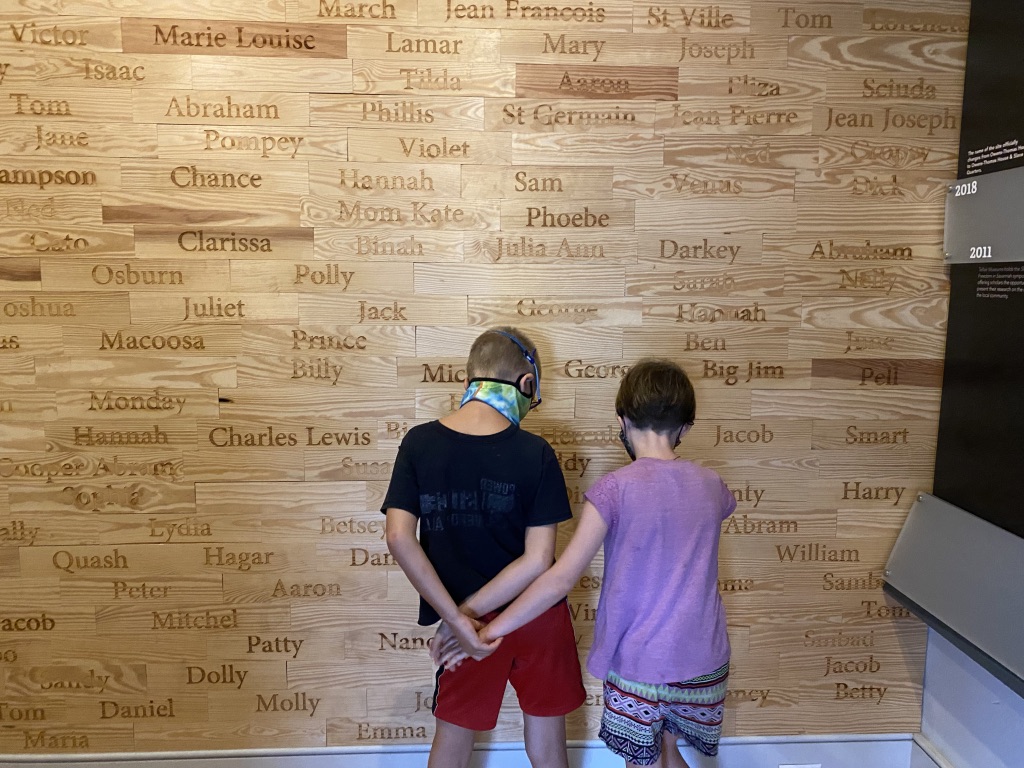
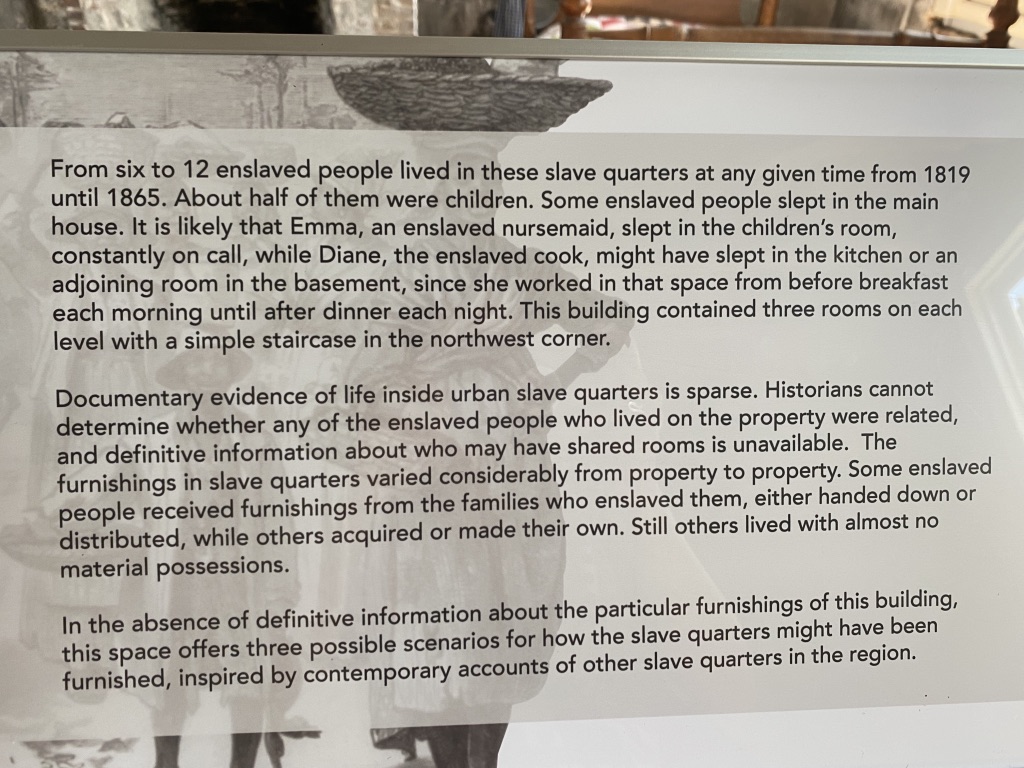
This slave labor camp was once the home to white elite human traffickers, I learned on our journeys how few people actually owned other people, only the wealthiest could afford to keep other humans in bondage. Like The Whitney Plantation, the Owens Thomas labor camp has been restored to ensure that the stories of the people who were imprisoned there are not forgotten, or erased. As painful as it is to read the names on the wall of the people who suffered in captivity, it is a powerful lessen in understanding the dark side of humanity. Upon leaving the house where the enslaved were held, the large mansion tells the story of where they were forced to wait on their wealthy captors, the scullery kitchen, the bathrooms and the basement are haunting. At the end of the tour is a room that tells the stories of hostages who were forced to carry the children of their captors, and horrific tales of attempted escapes.

Jepsen Center
207 W York St, Savannah, GA 31401, (912) 790-8800
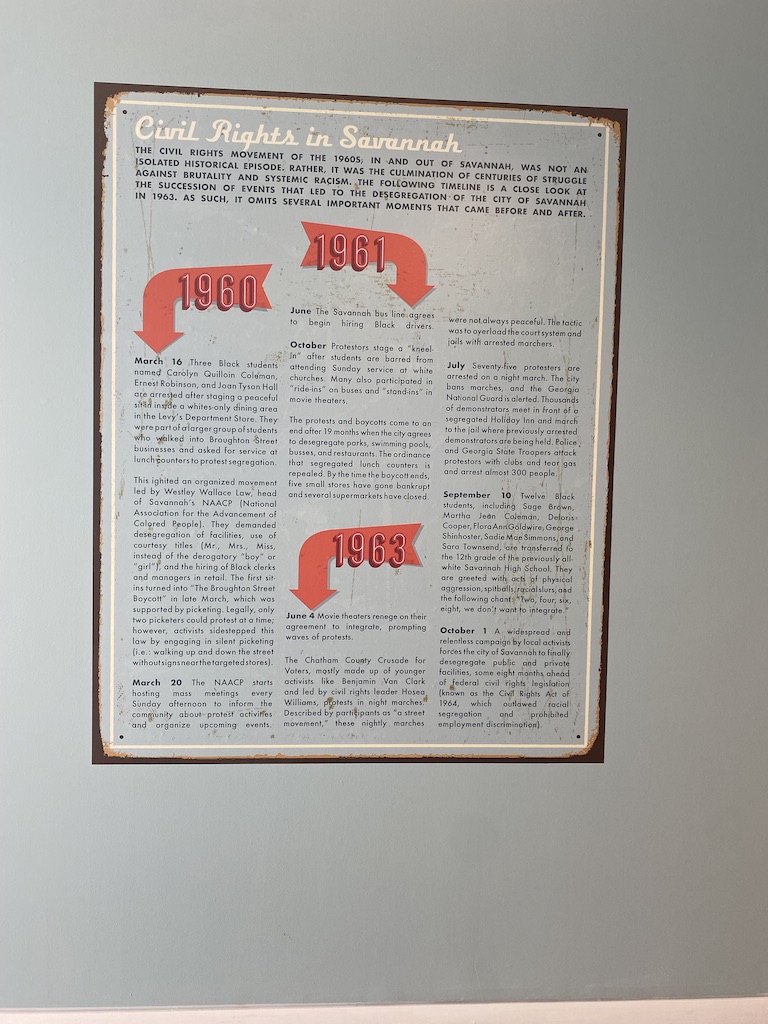
Hours: Daily 10-4
Adults: $22, Military (with ID) $20, Student (15-25 with ID) $15, Child (ages 6-12) $5, 5 and Under: FREE
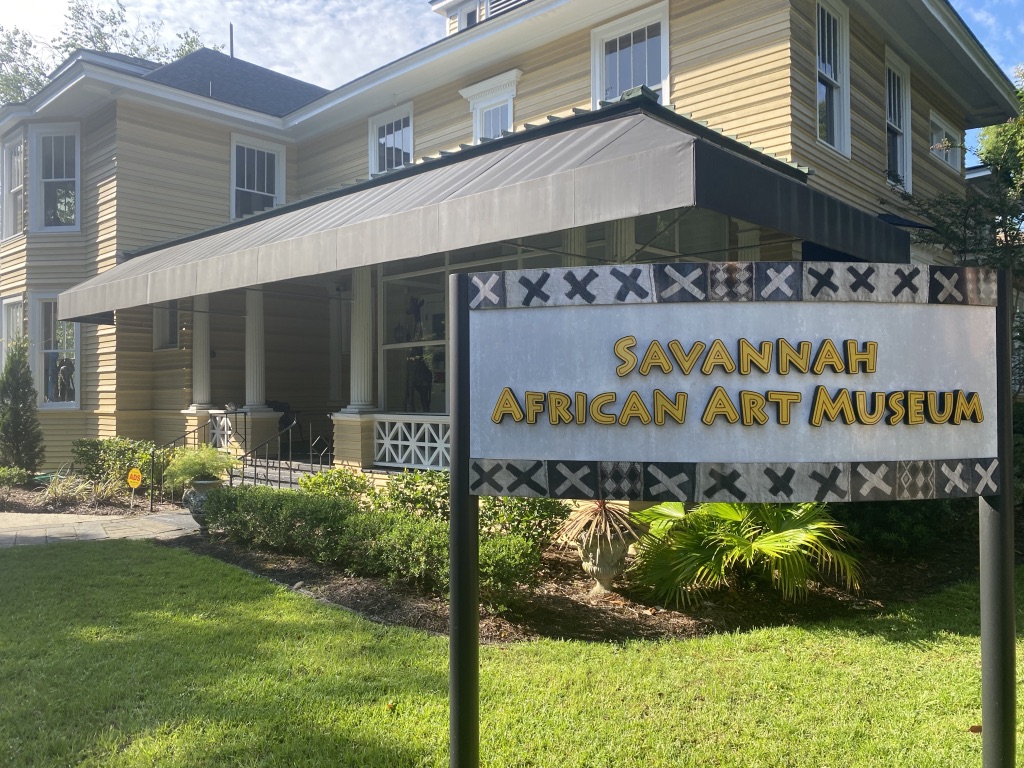
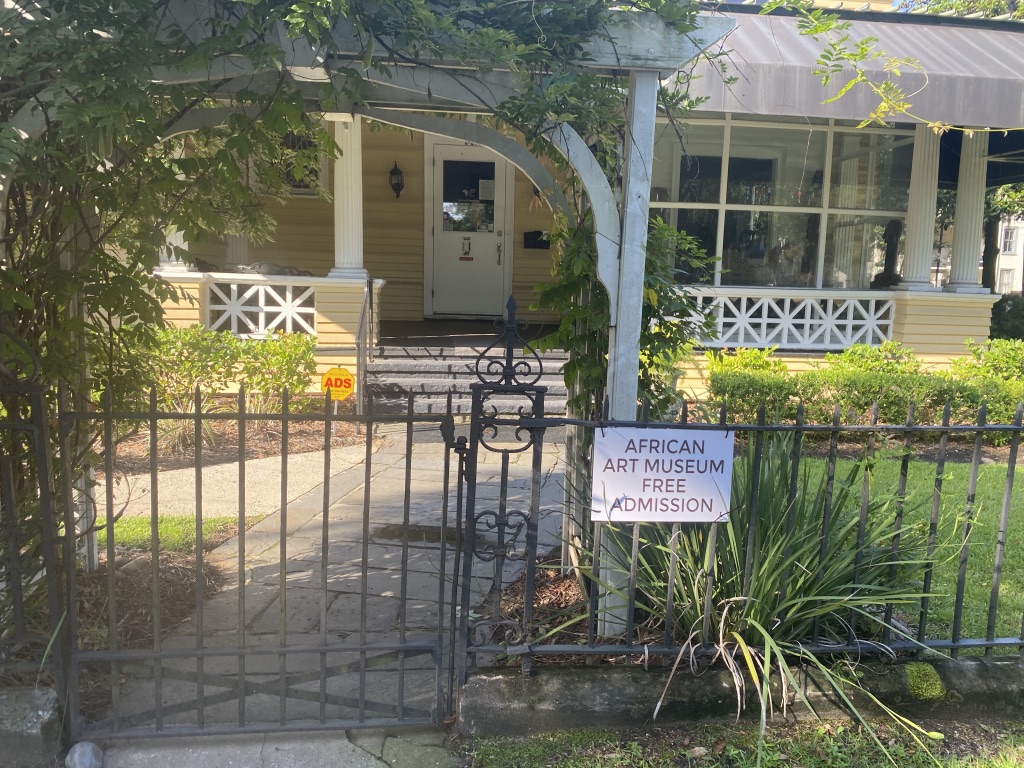
The Jepsen Center is an art museum which highlights local artists. With art exhibits that elicit strong emotional responses to the pain of the South’s history of racism, as well as the playful and lively African cultural influence, the Jepsen Center had some wonderful interactive rooms that were very fun for the kids.
Haitian Monument
Franklin Square
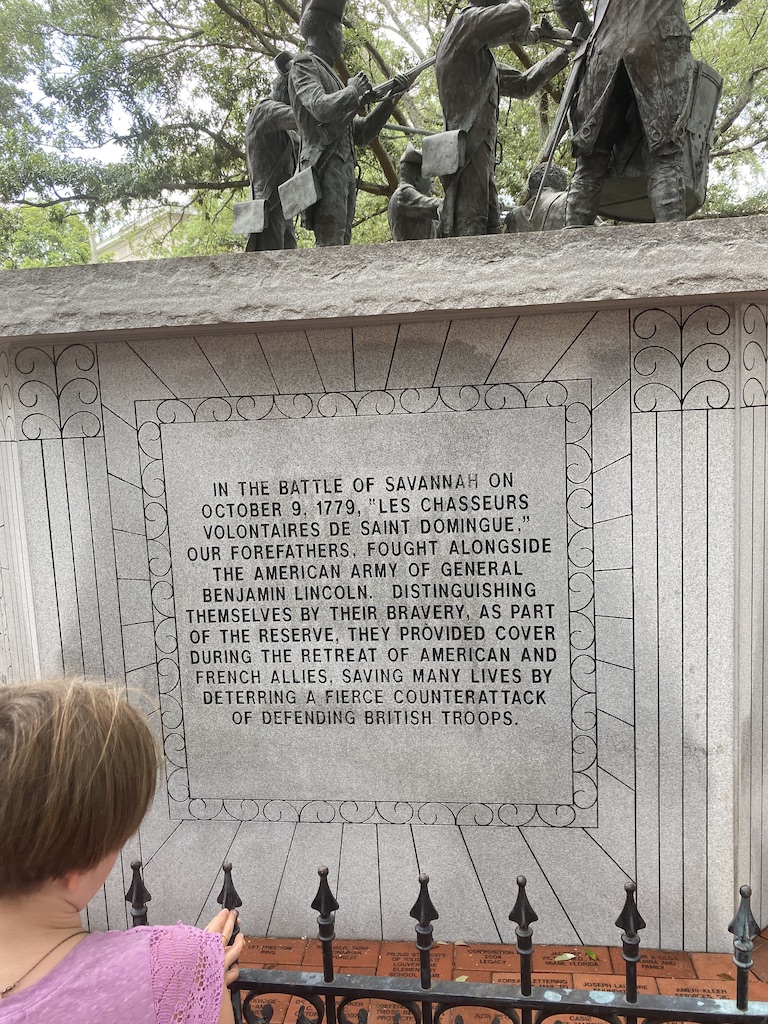
The Haitian Monument was commissioned and constructed to illuminate the role of Black soldiers in the Revolutionary War. Like much Black American history, the story of 545 Black Haitians that were recruited from the French colony of Chasseurs-Volontaires de Saint Domingue to fight during the Siege of Savannah in 1779. Although they had been enlisted to occupy an auxiliary role, the Chasseurs-Volontaires did fight in the front lines for American freedom. Although many of the Haitian soldiers had been enslaved they were offered freedom in exchange for their service against the British troops. Many southern slave owners resisted allowing their prisoners to enlist, even though there was a shortage of willing soldiers, they were afraid that if too many Black Americans were free there would be a revolt against slavery. If a white captor allowed their captive to be free they were to pay a significant tax. So, due to this resistance from the wealthy slave holders there was a tax exemption made for those who allowed they prisoners to be free to fight in the war.
The art, with life sized sculptures of six unnamed soldiers, sculpted by James Mastin, features one identifiable historical figure, a drummer boy named Henri Christophe. In his teens he had joined the Chasseurs-Volontaires and later became the first leader of independent Haiti. It is believed, although not proven, that he participated in the Siege of Savannah. The life size sculpture, with several different plaques, was constructed in two stages due to large sum of funding needed of $500,000. The first stage of construction took place in 2007 and the second stage was finally complete in 2009.
First Baptist Church Savannah
223 Bull Street Savannah GA 31401, (912) 234-2671
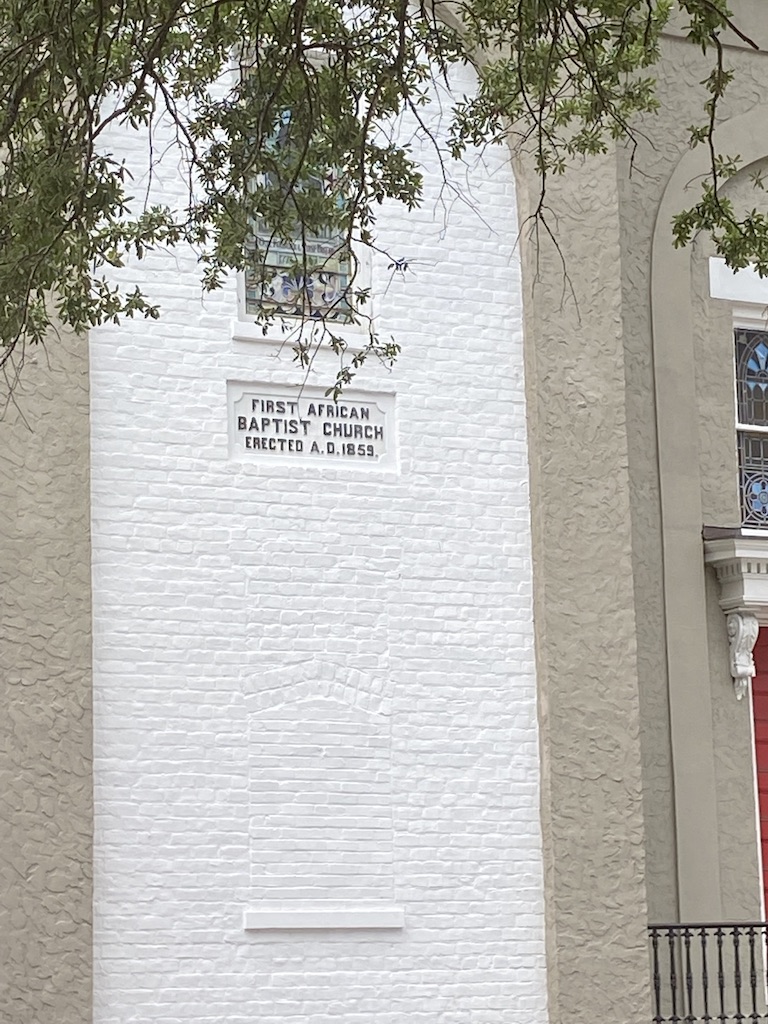
The First Baptist Church in Savannah is said to be the oldest African American Congregation in America. Formed in 1733 by Reverend George Leile; however, the actual building that houses the Church wasn’t finished until 1859, almost 100 years after the land was obtained for the church. Reverend William J. Campbell was the person who actually oversaw the completion of the church in 1859. Although there are many notable features, such as the 1832 pipe organ to see in the church, the history of its role in the underground railroad is what got the attention of my family of five. We were very sad not to have toured the inside of the building, however standing in Franklin Square with the Haitian Sculpture behind us and the profoundly compelling stories of the church in front of us we were awestruck.
The church offers tours to the public on Wednesdays, although you should call ahead to ensure availability and for pricing. In addition to the draw of the organ, visitors come to hear stories of the thousands of enslaved people who sought safety at the church in their effort to escape captivity as they made their way north. In order to access the asylum at the church captive people would use hidden messages in quilts to find their way into the underground tunnel that leads into the church. Once inside the ceiling of the church also provided messages, the pattern in the raptors matched the Nine Patch Quilt which was a design that showed that this was a place of resting and safety for the enslaved passerbies.
On the home page of the First Baptist Church of Savannah’s website reads this message of love… “We believe Jesus treated everyone with a spirit of love and equality. Therefore, we accept every individual without regard to age, gender, race, ethnicity, sexual orientation, or socio-economic status. We affirm all persons as created in the image of God.”
Laurel Grove South Cemetery
2101 Kollock Street, Savannah, GA 31415, (912) 651-6843
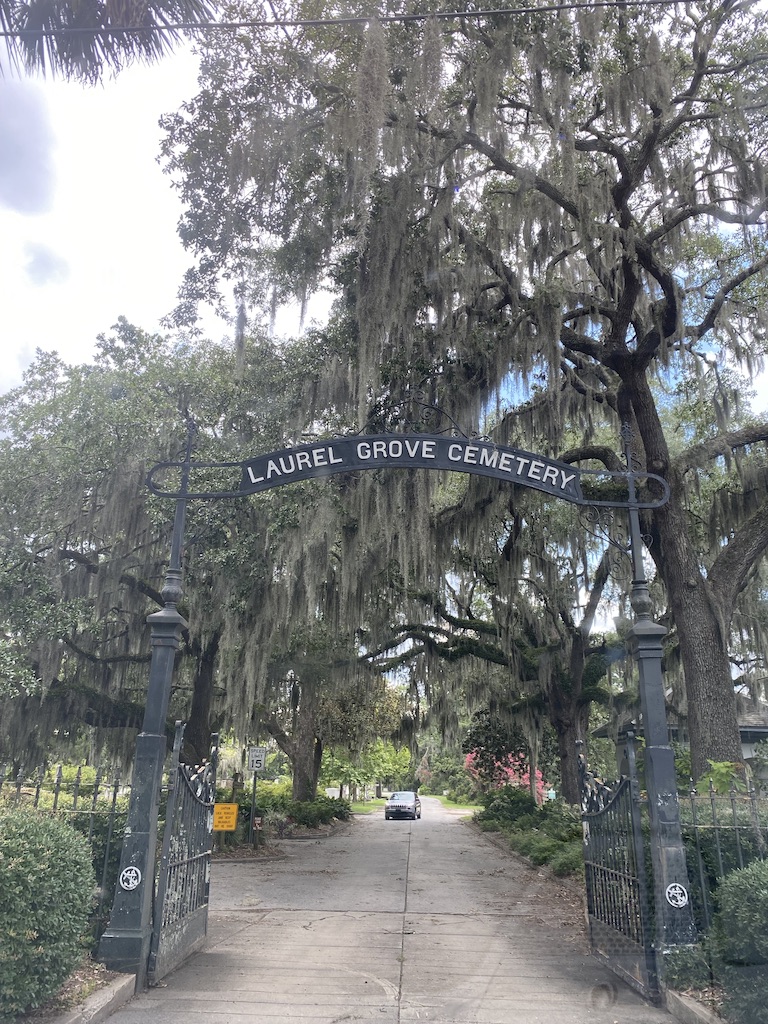
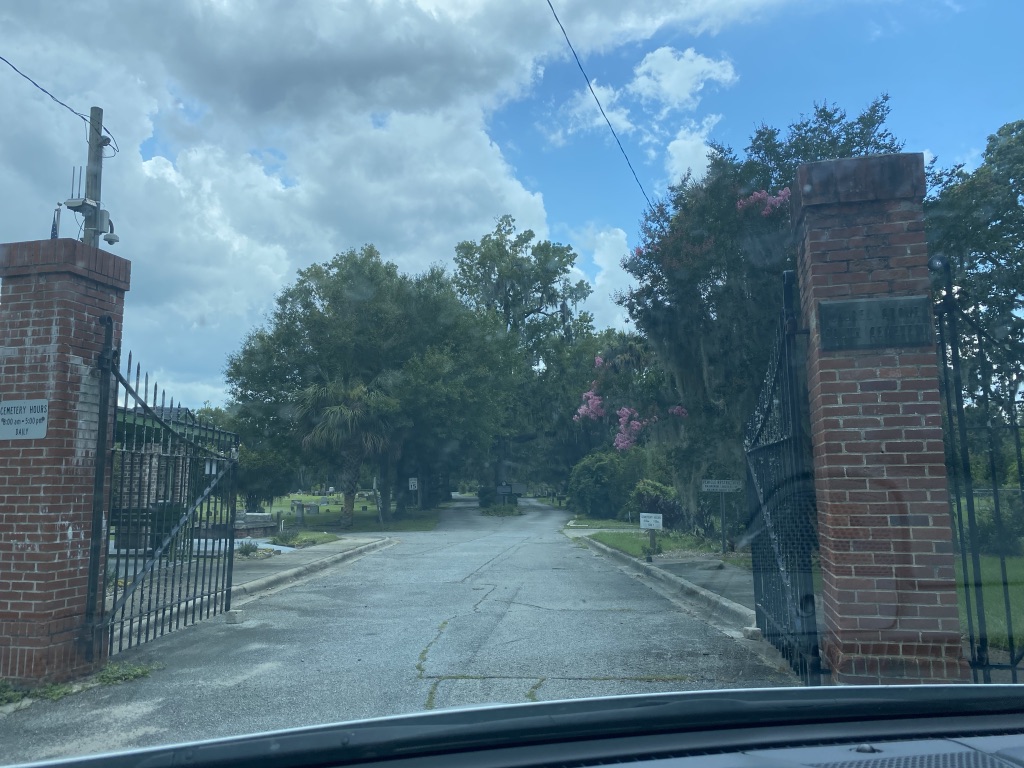
in comparison to the entrance to Laurel Grove South (AKA African American Cemetery)
Hours: Daily 8-5, Admission: FREE
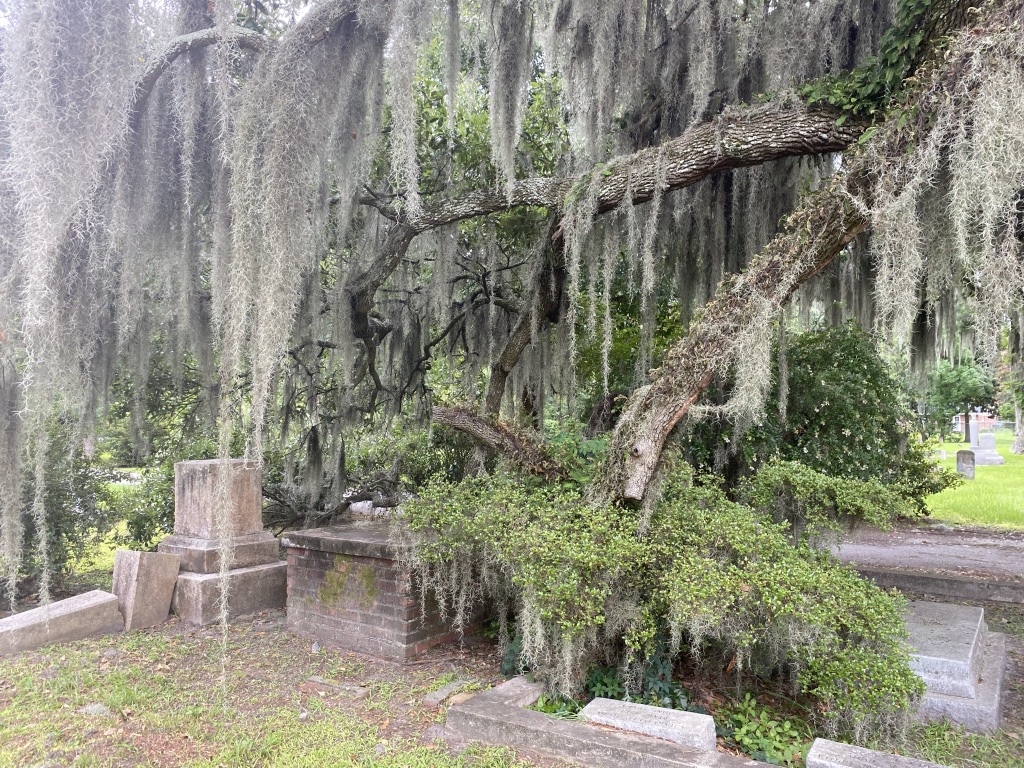
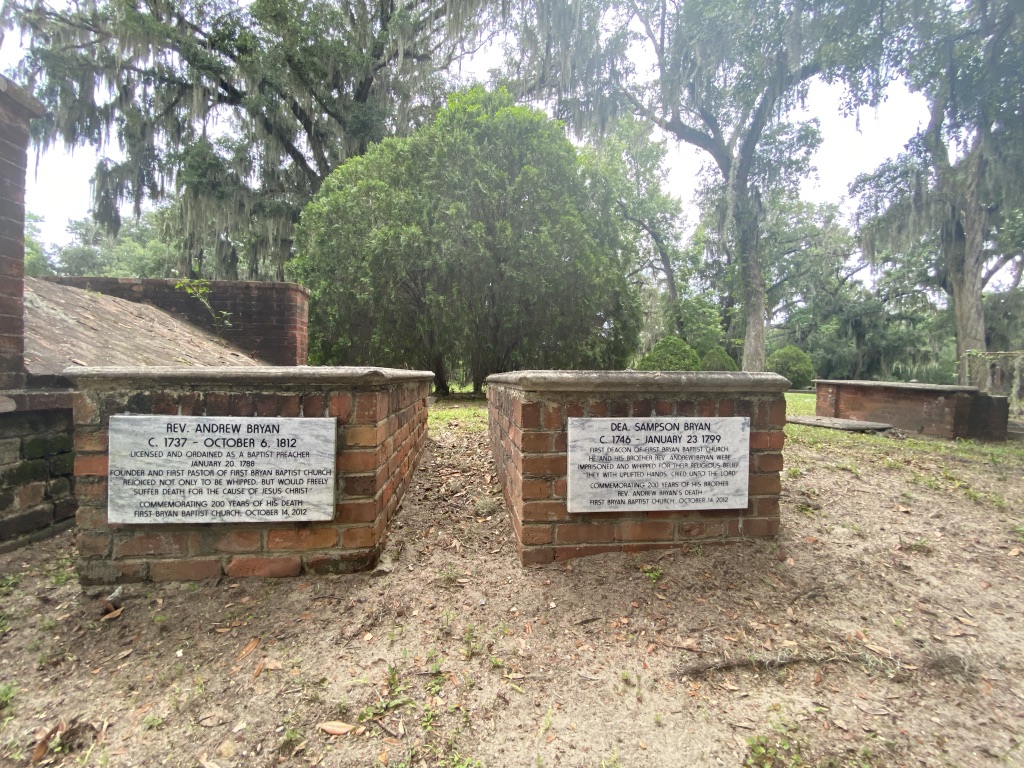
One of the largest African American cemeteries in the South, and one of the most important sites in African American history in Savannah, the Laurel Grove Cemetery South began as a parcel of 4 acres of ill drained land in 1852 set aside for African American (enslaved and free) burials. Soon after the acreage was increased to 15, a few years later it was doubled again. Today the African American burial ground is 90-acres, roughly the same size as its neighboring white cemetery. Although there are unmarked and unnamed graves within the cemetery there are many well known local residents who have been buried there. Such as Reverend William J. Campbell, who was mentioned above as the founder of the First Baptist Church of Savannah.

 Black History Tour